
Learn how to win in the AI search era

A paywalled article can appear in an AI answer without its full text being available. Learn how citations, publisher agreements and crawler controls differ, then protect subscriber content without hiding every useful preview.

Turning off model training does not make web searches anonymous or erase saved information. Learn which settings control memory, location and chat retention, plus what to check before opening a result or searching with work data.
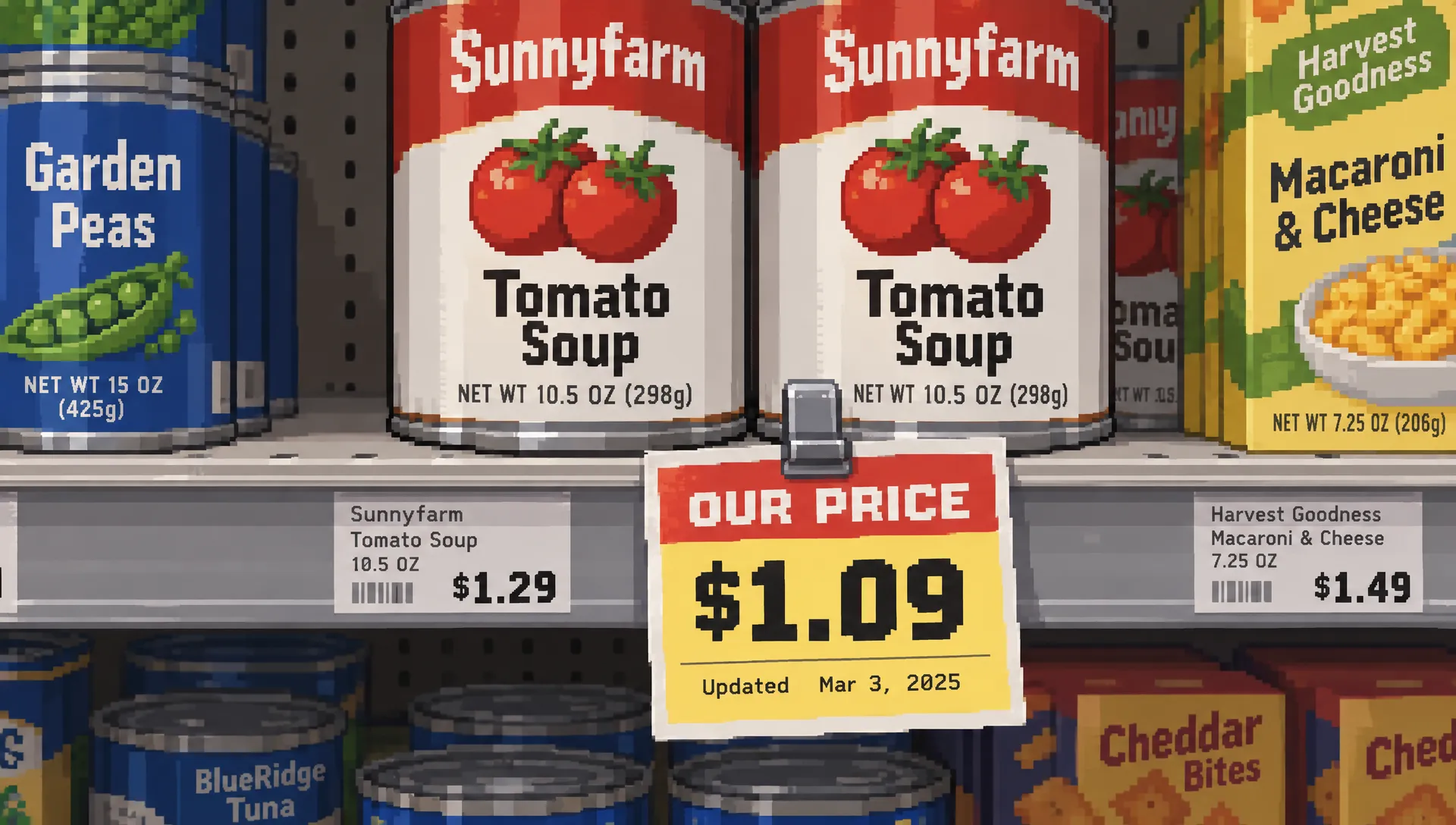
An answer can sound current while relying on old evidence. Learn how each platform finds updates, how to check time-sensitive claims and what publishers can do to make genuine changes easier to discover.

Better page copy cannot fix an indexing block or a broken lead handoff. Learn how to place on-page work within a wider SEO strategy, prioritize the right changes and measure their contribution to business results.

A polished design does not guarantee search visibility. Find the technical, content and measurement fixes that help a new website get discovered, answer the right queries and turn organic visits into meaningful business results.

A crawl, a live page fetch and a citation are different events. Learn how AI search systems reach your content, which bot permissions matter and how to spot access failures without confusing them with ranking problems.
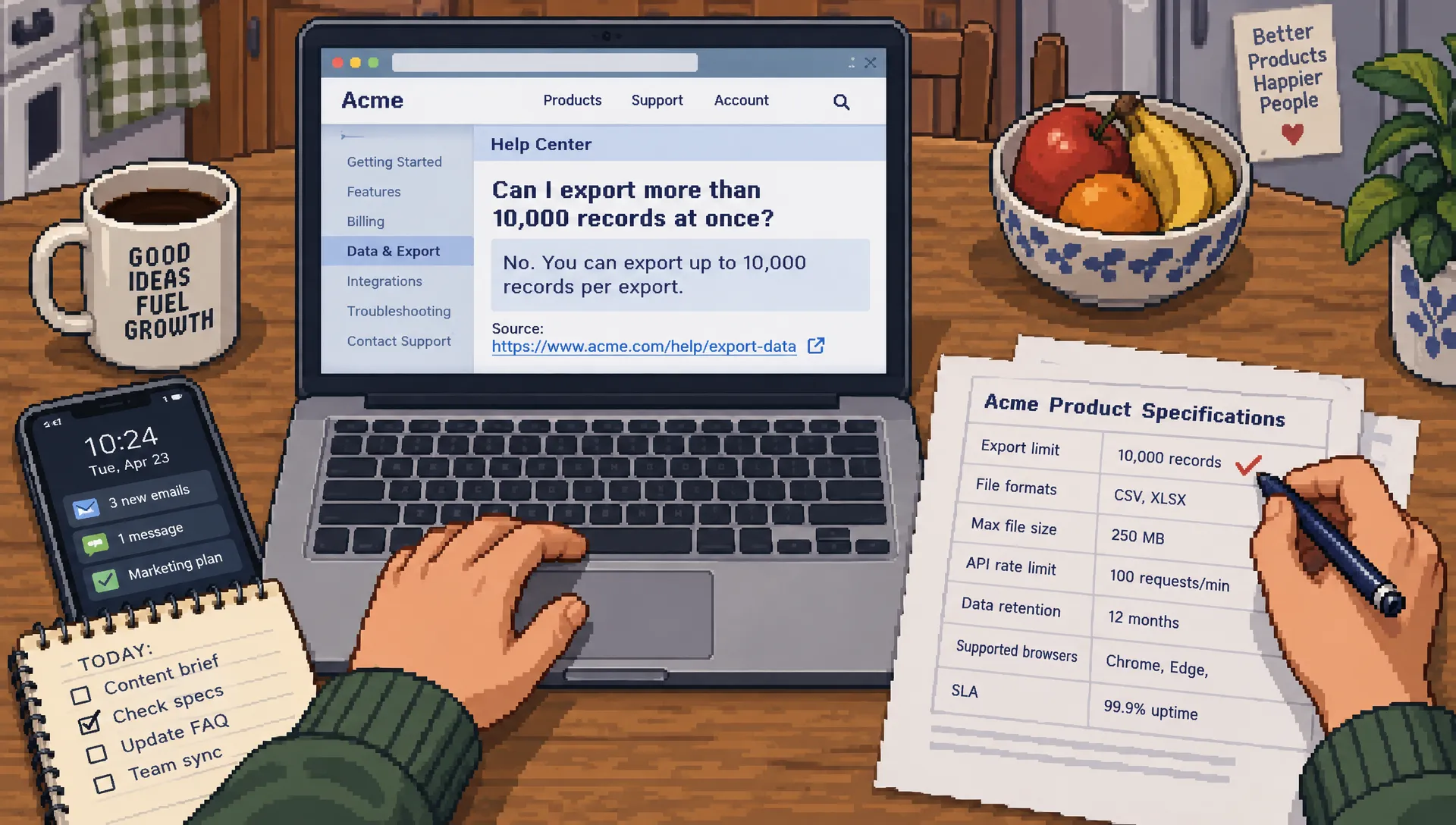
AI answers can influence a buyer before your website gets a visit. Learn where AEO fits alongside SEO, which businesses should prioritize it and how to test progress without mistaking citations for revenue.
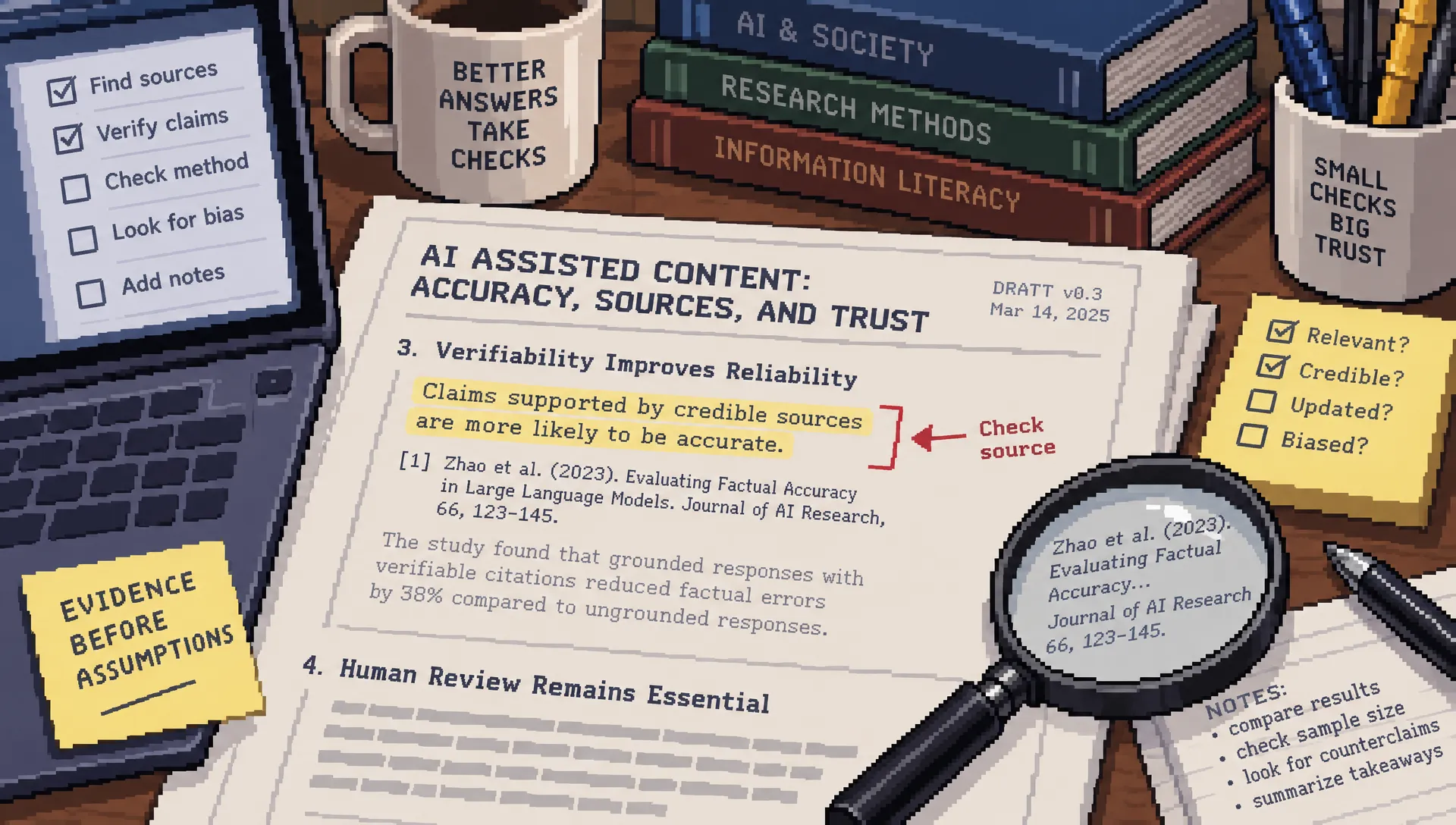
Cheap drafts can become expensive publishing projects when research and review fall back on your team. Use a practical scorecard, contract checklist and paid pilot to choose a provider you can trust.
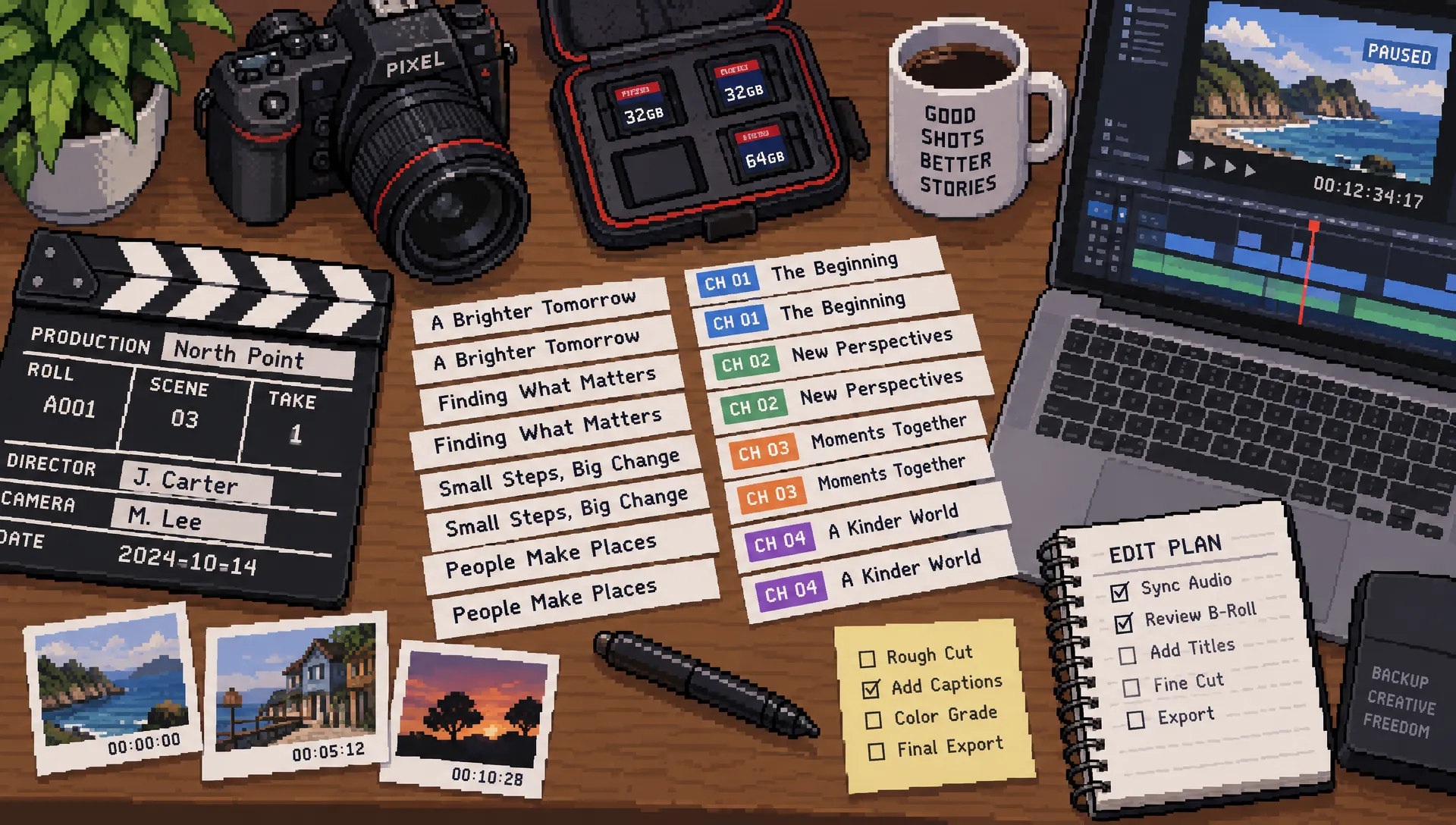
AI can improve video discovery without turning your metadata into a keyword list. Learn a transcript-first workflow for researching viewer intent, testing tools and measuring changes without mistaking a higher optimization score for better performance.

A citation can be real and still fail to support an AI-generated claim. Learn how to trace original evidence, catch outdated information and decide what is safe to quote, publish or use in a business decision.

The same prompt can produce different brands and citations without any change to your website. Learn how to test repeated queries, separate measurement noise from real movement and build a visibility baseline you can trust.

A missing AI summary does not necessarily signal an SEO problem. Learn how query intent, available evidence and search context affect what appears, then use a repeatable test to separate display changes from citation gaps.

Faster drafts are only useful when they lead to trustworthy pages. Use a repeatable workflow to assign ownership, verify claims and measure results, with clear rules for what AI can do and what a human must approve.

AI can shorten your research, but a polished answer is not proof. Use this practical workflow to choose a tool, check citations, protect sensitive data and know when a conventional search will serve you better.

AI recommendations can narrow your options, but they cannot replace checking the evidence. Learn which shopping tasks suit each tool, how to verify product claims and why seller policies deserve a separate check before you buy.

A successful page response can still conceal missing article text or a crawler block. Use this publisher-focused checklist to verify access, document failures and measure whether technical fixes improve discovery and reader outcomes.

Different AI answers do not automatically mean personal profiling. Learn how location, conversation history, source changes and model variation affect results, then use controlled testing to distinguish meaningful differences from ordinary wording changes.
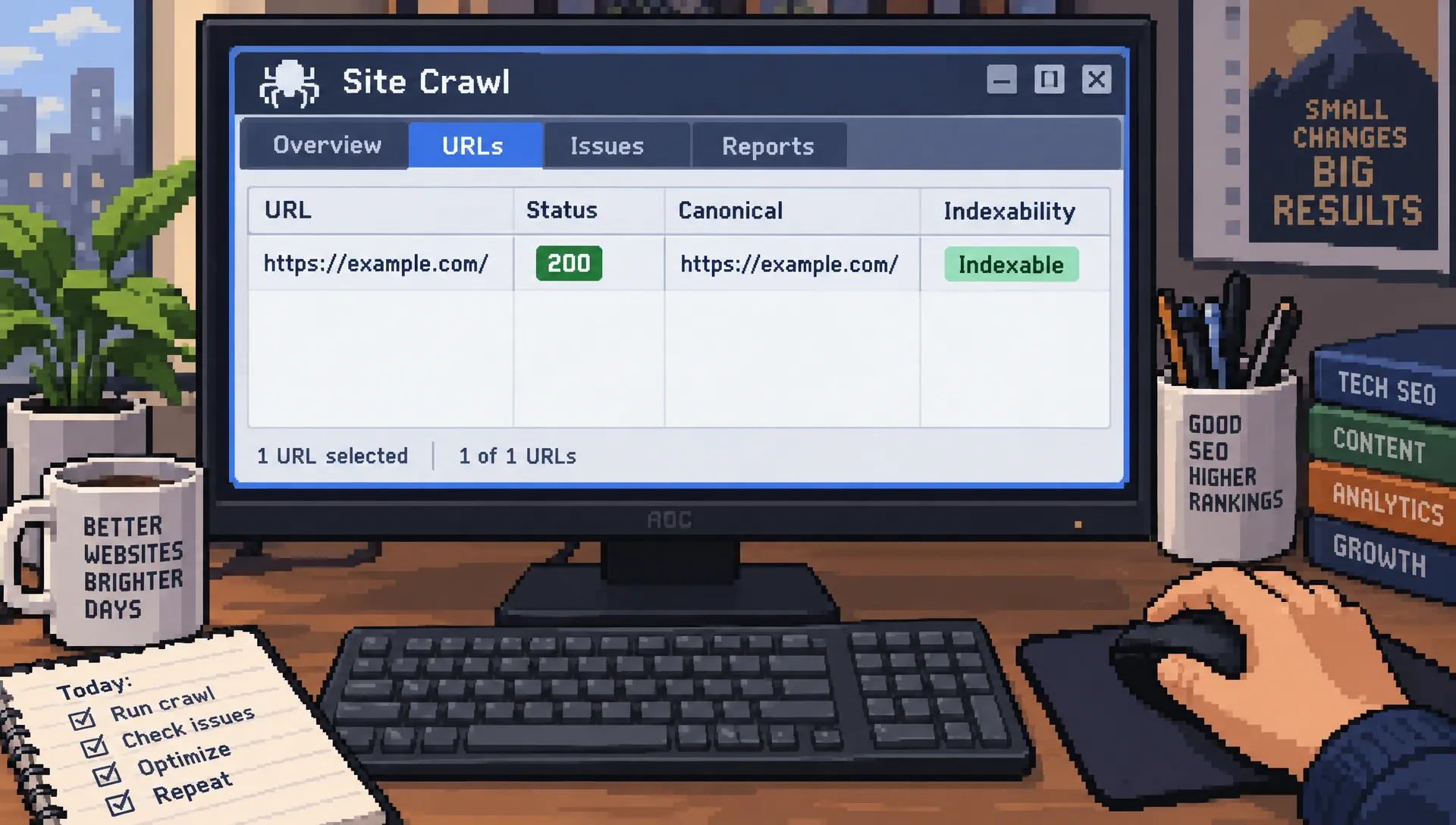
Turn crawl exports and search data into an SEO audit you can verify, not a list of AI guesses. Use practical prompts, validation checks and a measurement plan to prioritize fixes without handing over publishing control.

Turn AI-generated outlines into briefs writers can actually use. Build an evidence packet, separate verified claims from open questions and use a repeatable handoff that reduces editorial guesswork without outsourcing judgment.
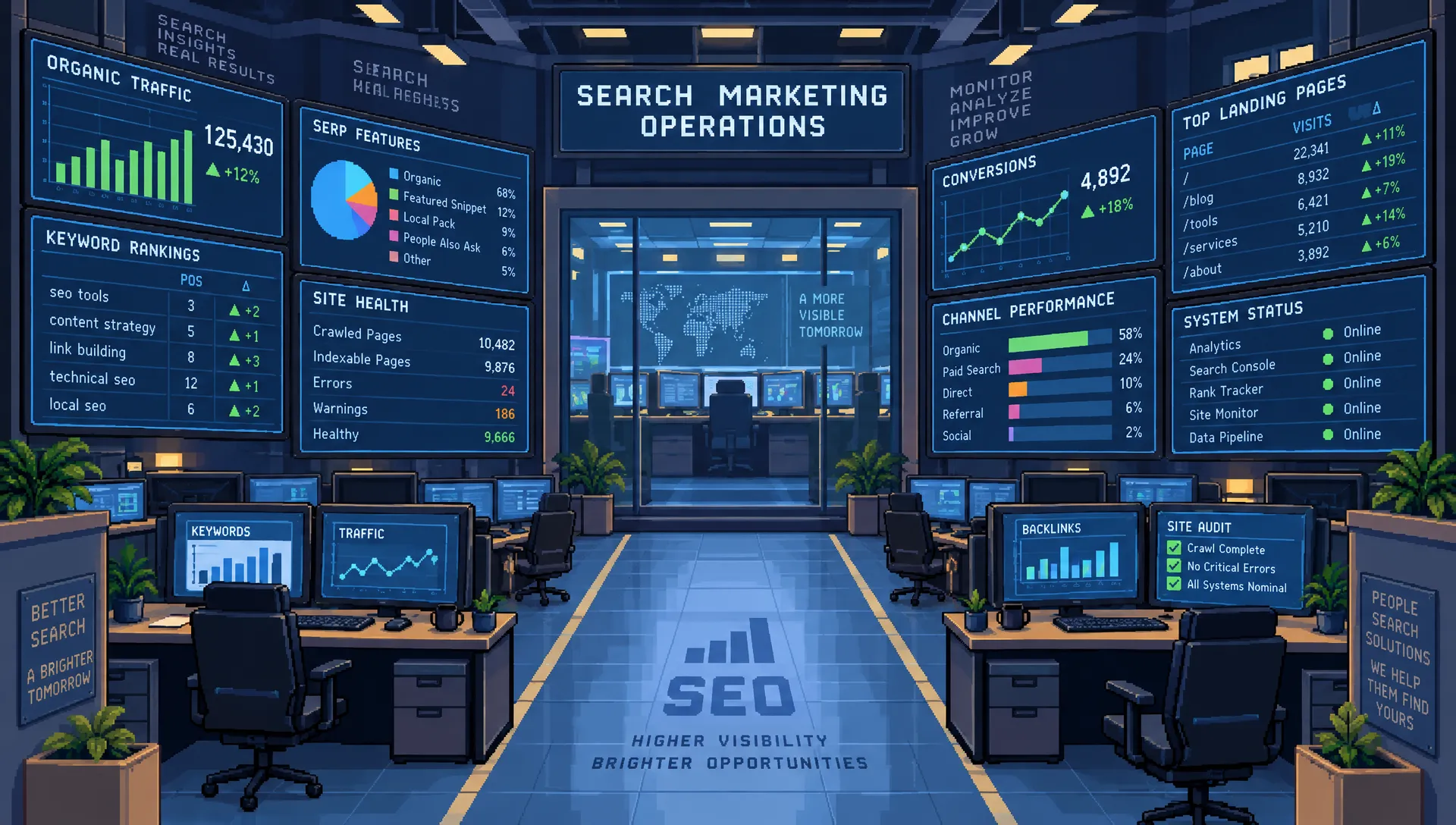
AI can take repetitive SEO work off your plate, but some shortcuts create expensive cleanup. Use a task-by-task framework to automate reporting and research, protect high-risk changes and measure whether the time saved produces business value.
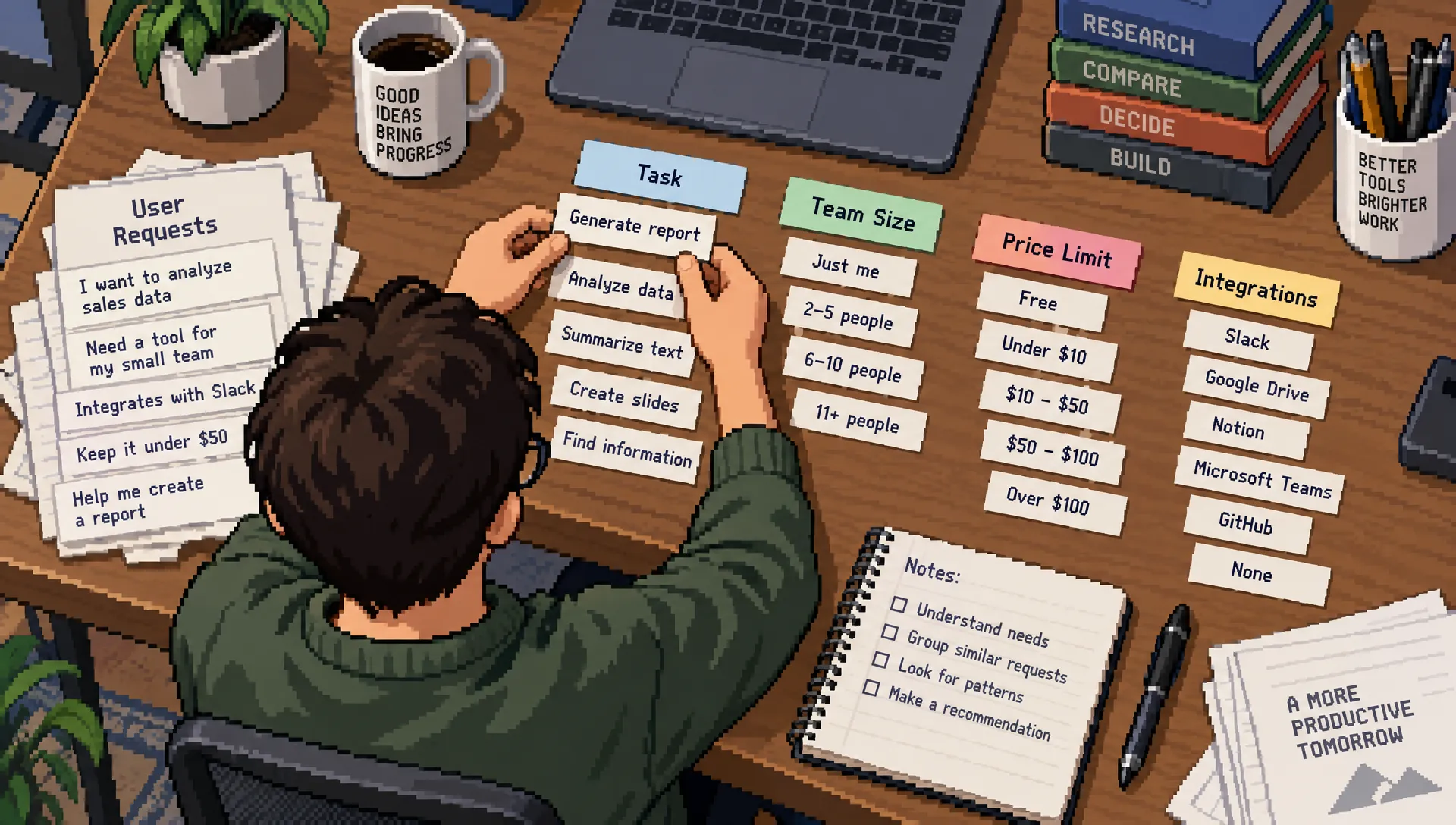
A single question can become several searches before an answer appears. Learn how AI systems interpret constraints, use conversation history and retrieve evidence, so you can write clearer queries and make your content easier to understand.

A polished answer is not proof of reliable research. Compare AI search tools with a repeatable test for citation accuracy, data privacy and total review time before choosing a platform for your team.
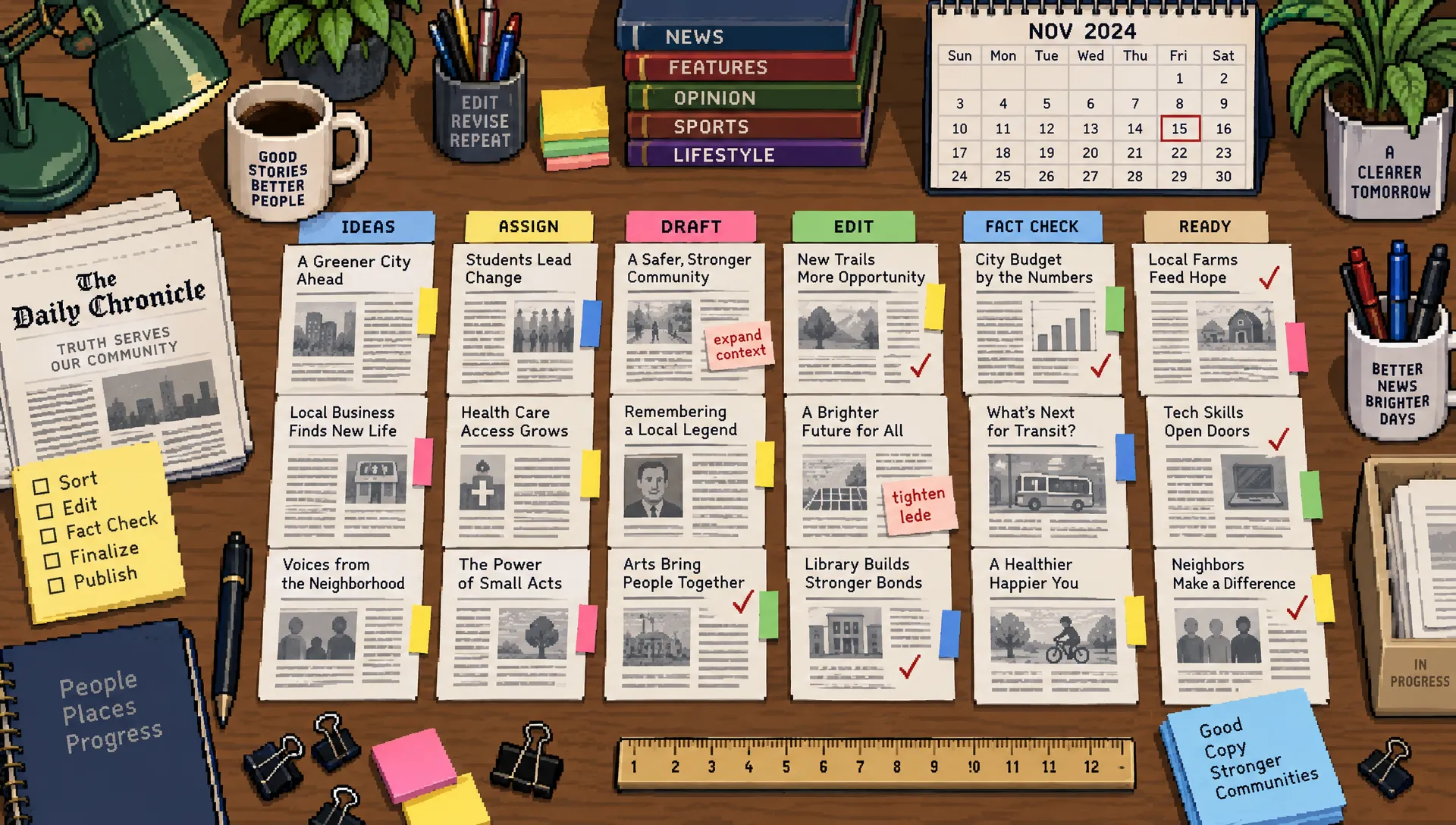
An AI draft can read well and still contain errors, miss search intent or fail technical checks. Use clear review gates to decide what to publish, what to revise and what should stay on hold.

Turn category pages into useful shopping destinations, not walls of SEO copy. Learn how to control filter URLs, strengthen product discovery and measure whether organic visits lead to revenue.

AI citations depend on more than ranking first. See how retrieval, evidence and passage relevance shape source selection, then use a practical checklist to improve your pages without chasing unproven ranking tricks.
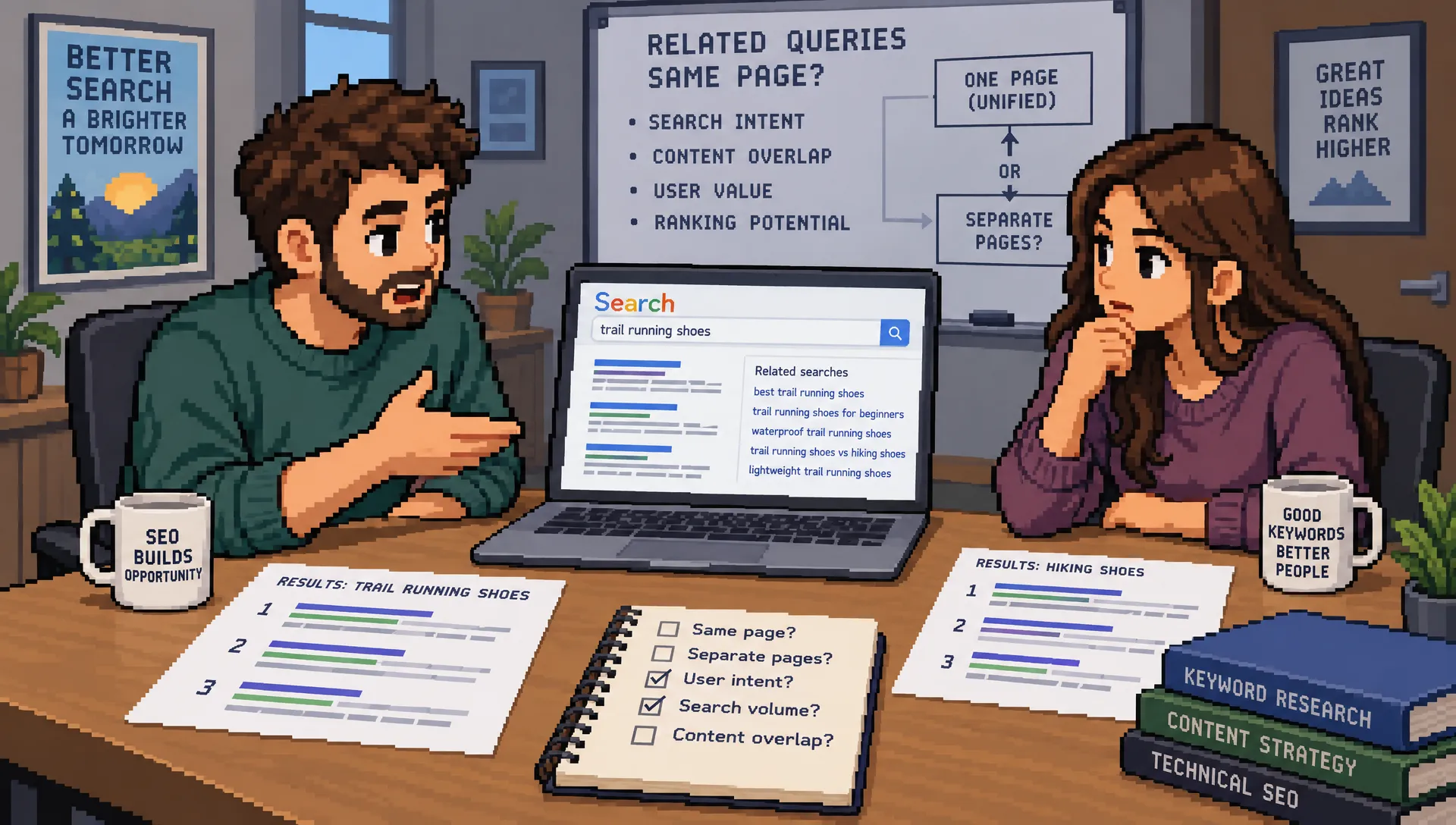
AI can sort a keyword list quickly, but similar wording does not always mean shared intent. Use a repeatable workflow to validate clusters, resolve ambiguous queries and assign each group to the right page.
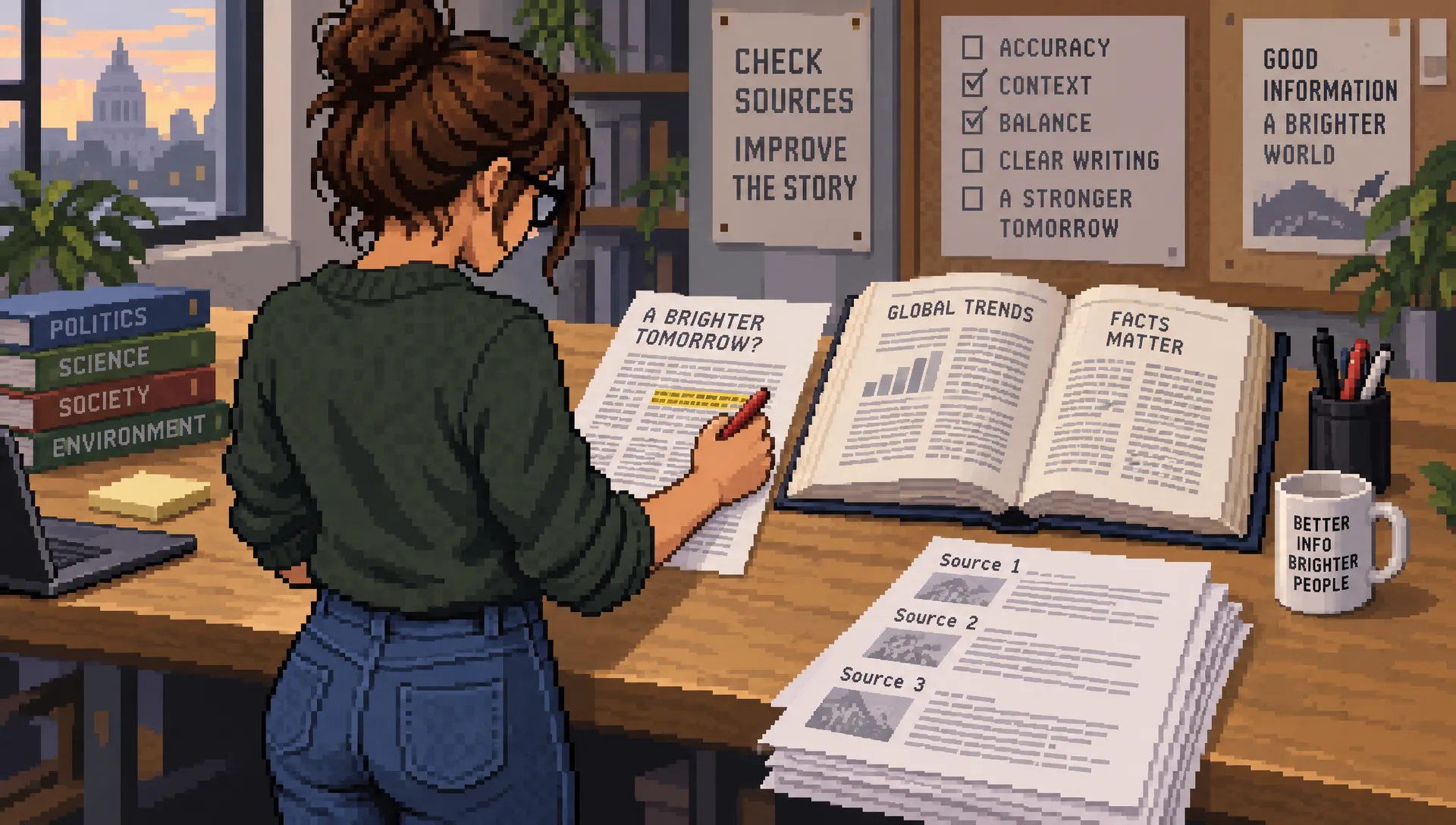
AI can speed up content production while quietly weakening search performance. Learn seven mistakes that cause the damage, plus practical checks for intent, evidence, originality and results before you publish.
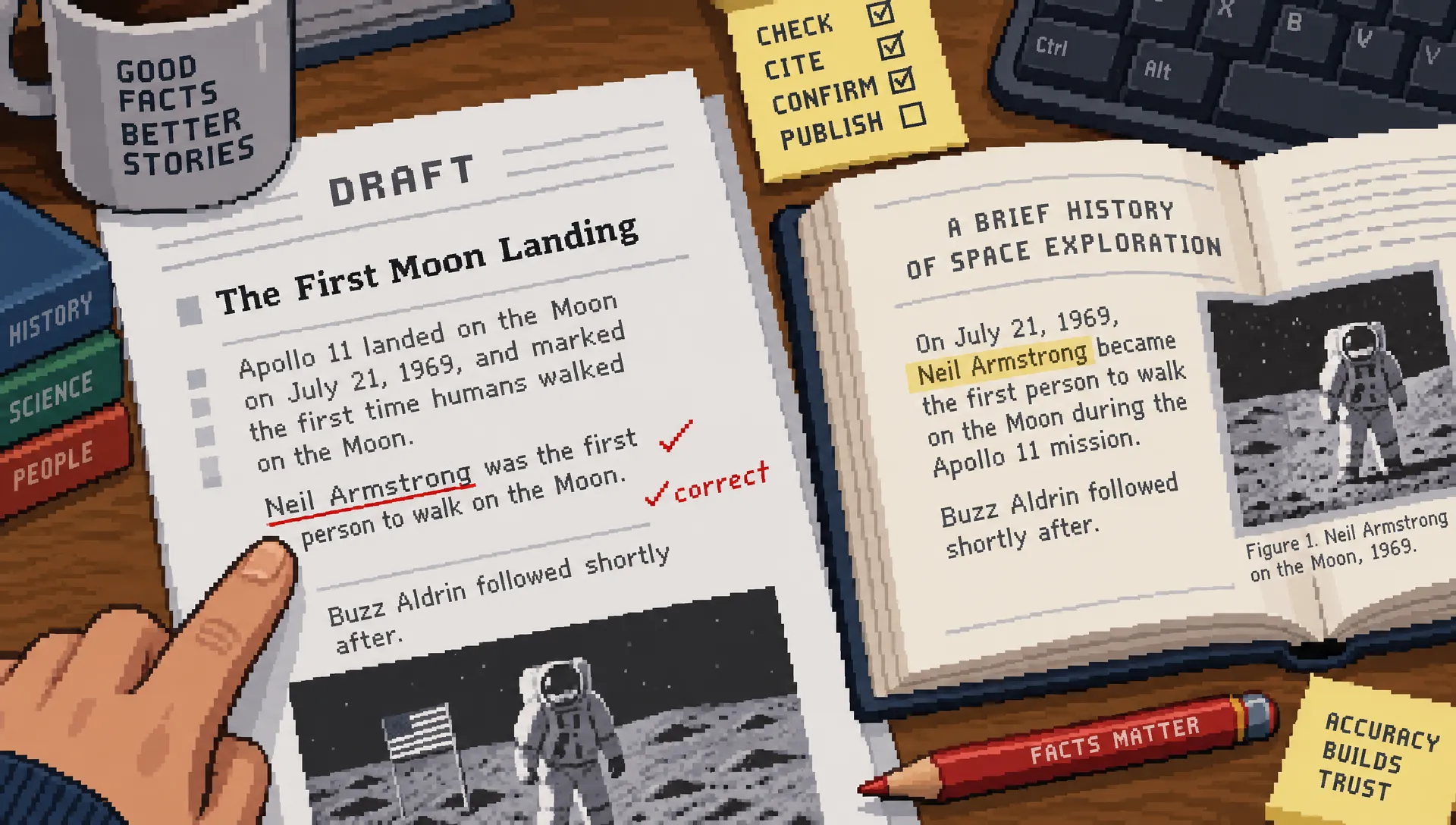
Cheaper drafts do not always mean cheaper, better-performing pages. Use quality gates, full-cost calculations and a bounded pilot to decide whether your AI content workflow deserves a bigger budget or needs more work first.
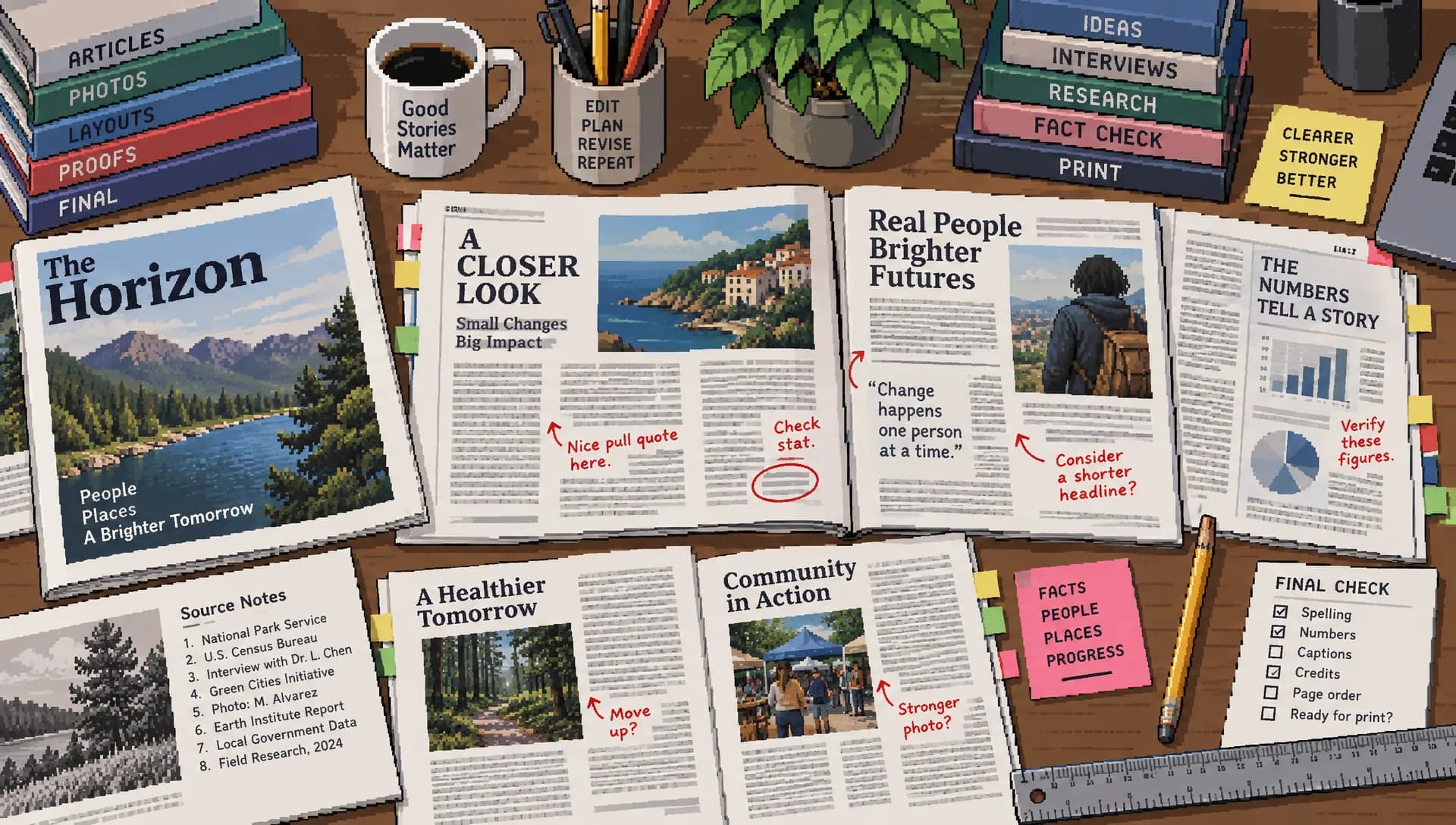
Old articles need more than a new date and a quick rewrite. Learn how to prioritize the right pages, use AI to find meaningful gaps and publish updates you can verify and measure.
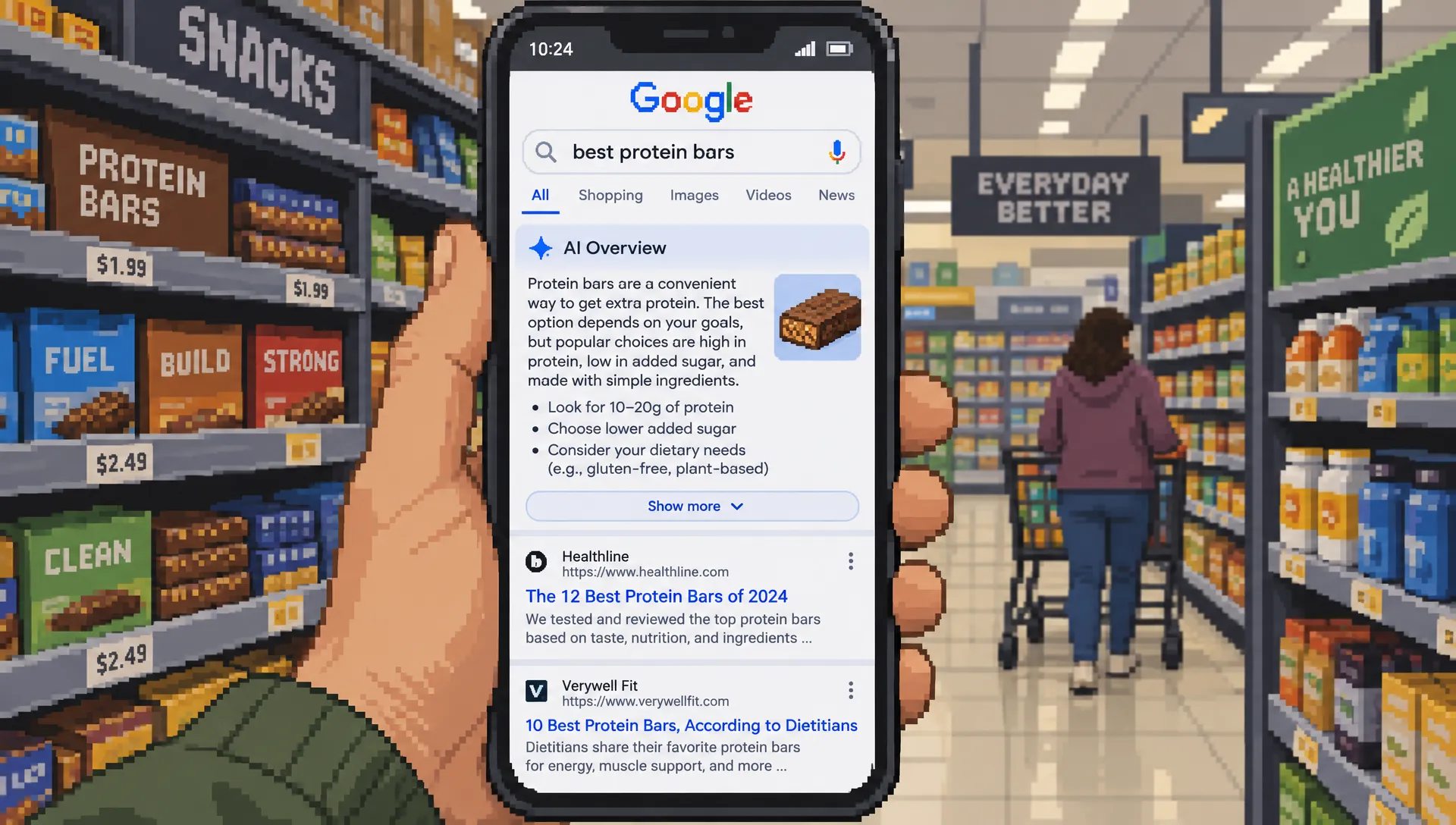
Customers can compare options and form a shortlist before they reach your website. Learn where Google’s AI experiences change that journey and how to create content, proof and conversion paths that support the next decision.

AI referrals can look impressive without producing customers. Learn how to separate trackable visits from hidden influence and measure buyer fit, qualified leads and revenue before investing more in visibility.

A higher ranking can hide weaker traffic and fewer customers. Learn which metrics connect organic search and AI citations to qualified visits, conversions and revenue, plus how to build a scorecard that supports better decisions.
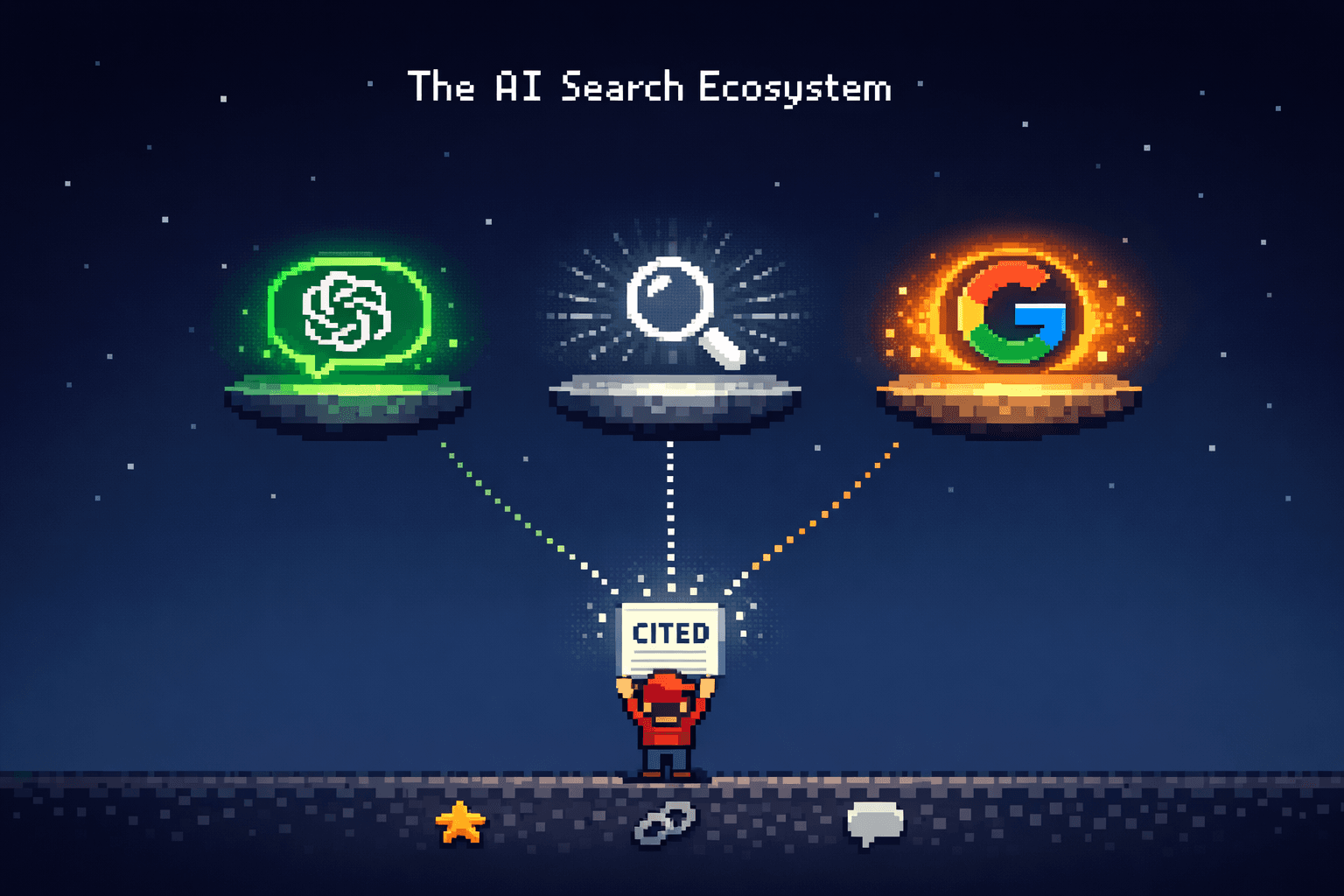
Most AI SEO advice is outdated or wrong. Learn what actually drives visibility in ChatGPT, Perplexity, and Google AI Overviews with a data-backed, actionable strategy.