
How ChatGPT and Google Handle Fresh Information
See how ChatGPT and Google find fresh information, why answers can lag and how to verify current facts or publish discoverable updates.
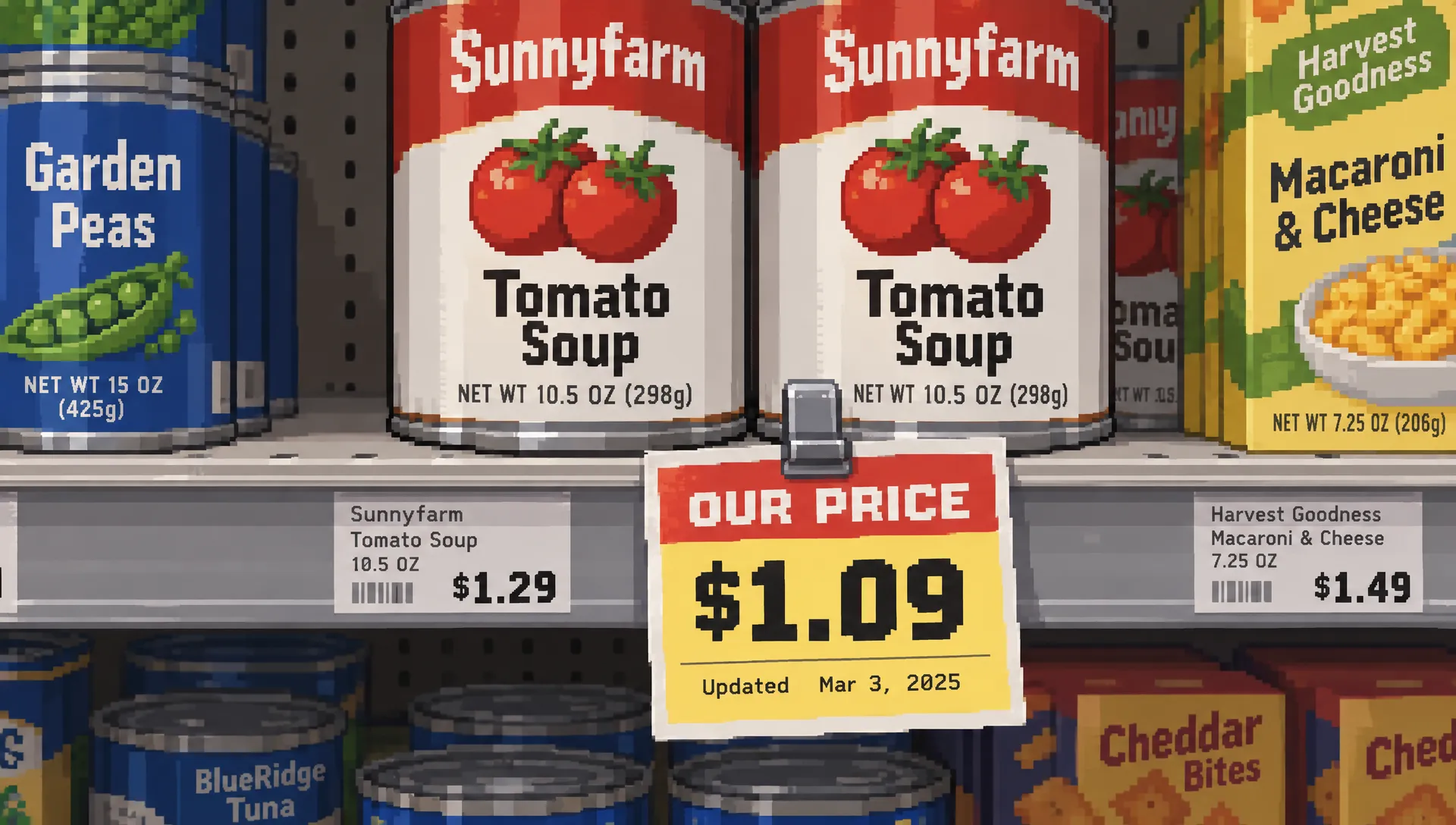
When a product price changes, a policy is revised or a major story breaks, ChatGPT and Google can surface information at different speeds. The difference is not simply that one uses artificial intelligence and the other searches the web. Both can present AI-generated answers, but freshness depends on how they discover sources, retrieve evidence and assemble a response.
For readers, the practical question is whether an answer reflects the latest verified facts. For publishers, it is whether a genuine update can be discovered and understood. Neither platform guarantees that the newest information will appear immediately.
Fresh information has more than one timestamp
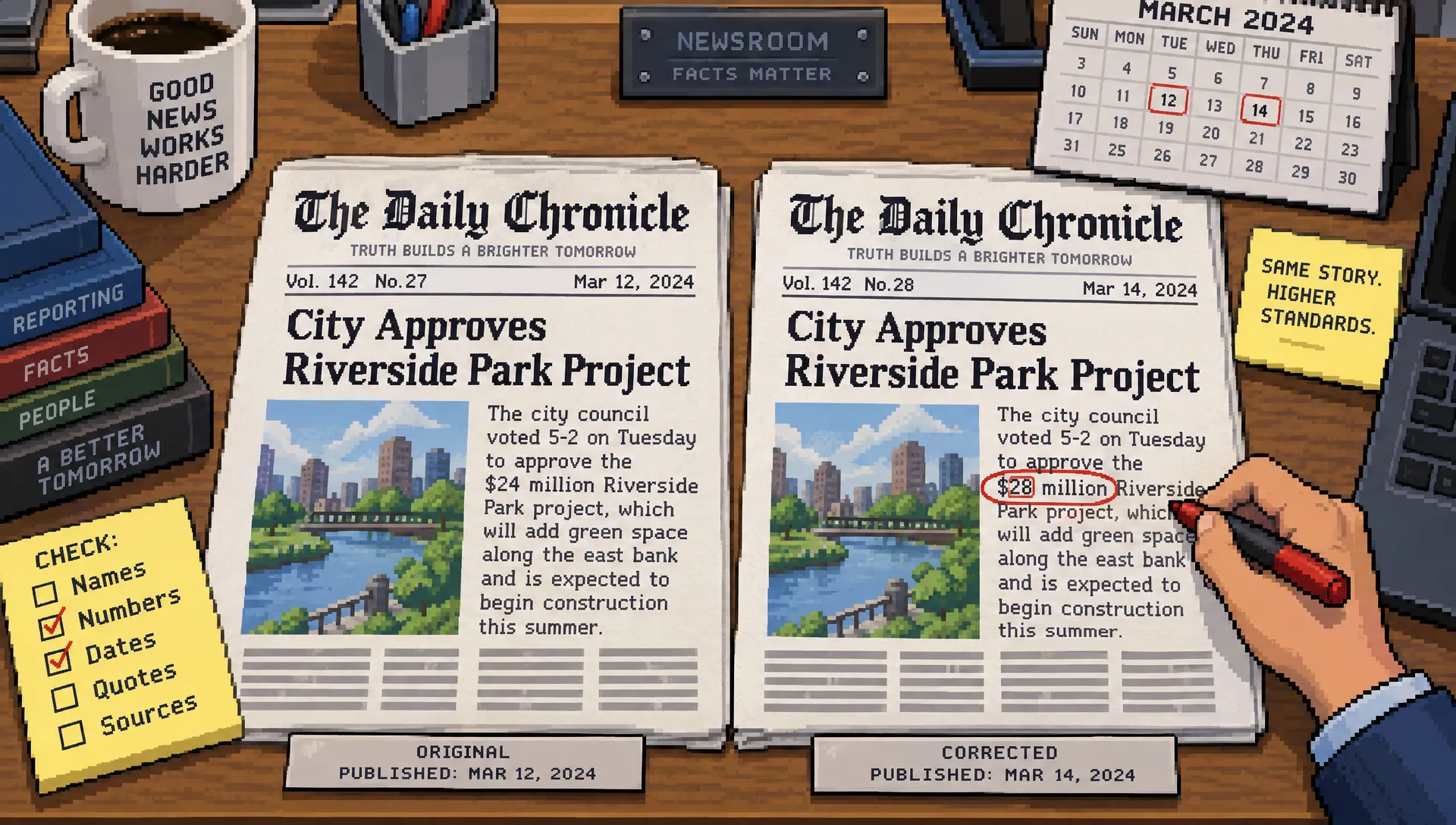
A page published today can describe an old event. An older page can contain a correction added minutes ago. A search result can display a recent date while its snippet still reflects an earlier version.
To judge freshness, separate four moments:
- Event time: When the underlying announcement, change or incident happened.
- Source update time: When the publisher added or corrected the relevant information.
- Discovery time: When a search system encountered that version.
- Answer time: When the result or generated response was delivered.
These timestamps explain why “I searched just now” does not mean “every fact is current.” A system can retrieve an outdated page today, then accurately summarize information that is no longer valid.
How do ChatGPT and Google get fresh information?
ChatGPT: distinguish model knowledge from search
ChatGPT can answer using knowledge learned during training, information supplied in the conversation or external material retrieved through available tools. Those are different evidence paths.
A response based only on model knowledge does not automatically include events after that model’s training cutoff. There is no single cutoff that safely describes every ChatGPT model and configuration.
When search is available and used, ChatGPT can retrieve web information and produce an answer with source links. OpenAI’s ChatGPT search documentation explains that search may activate automatically when useful or be selected by the user.
That makes current information accessible without retraining the model for every event. It does not guarantee that every relevant source was found, that each page was fully accessible or that the final summary preserved every qualification.
Google: distinguish indexed results from generated summaries
Google Search discovers pages through crawling, processes eligible content for its index and serves results in response to queries. Google’s explanation of how Search works describes these as separate stages.
A conventional result points you toward a source. Its title, date and snippet help you choose what to open, but they are not substitutes for checking the page itself.
Google can also present generated answers through experiences such as AI Overviews and AI Mode, depending on availability and the query. These add a synthesis step between retrieving information and displaying an answer.
The useful distinction between ChatGPT and Google is therefore not “AI versus live facts.” It is which retrieval path was used, which evidence was available and how much interpretation sits between that evidence and the reader.
What each answer format tells you
| Experience | Where freshness comes from | Main limitation |
|---|---|---|
| ChatGPT without external retrieval | Model knowledge and conversation context | Recent changes may be missing |
| ChatGPT using search | Retrieved web sources | Coverage, access and summary accuracy can vary |
| Google’s conventional web results | Discovered and indexed pages | Results and snippets may lag behind source changes |
| Google’s generated answers | Retrieved evidence assembled into a response | Synthesis can omit timing details or combine incompatible sources |
A source link makes verification possible, but does not establish that the linked page supports every nearby claim. Likewise, a prominent search position does not prove that a page is the latest authoritative account.
Why an answer can still be stale
Even when ChatGPT and Google retrieve web information, delays can occur at several points. A publisher may update a page before a search system revisits it. A newly discovered correction may compete with older articles that have clearer wording or stronger visibility.
Access is another constraint. Information behind authentication, unavailable pages or restrictive technical controls may not be retrievable through the same path as public content.
Conflicting evidence creates a subtler problem. An initial announcement might say a service launches Monday, while a later notice postpones it. A summary that combines both without preserving their dates can sound coherent while being wrong.
Freshness is not the same as reliability. A recent social post can repeat an unverified rumor. An older official document may remain the governing source until a replacement takes effect.
This is why source selection matters as much as speed. Our explanation of how generative AI search engines select sources to cite explores that broader evidence-selection problem.
How to verify a time-sensitive answer
Check the claim, not just the citation
When checking ChatGPT and Google, start with the exact fact that could have changed: the price, deadline, policy, release status or reported outcome. Open the cited page or search result rather than relying on its summary.
Check who published it, whether the relevant passage supports the claim and which date applies. A page’s publication date, modification date and effective date may differ. For a policy change, the effective date can matter more than when the article appeared.
Then look for a newer correction, replacement notice or official status page. If credible sources disagree, preserve that disagreement rather than choosing whichever answer sounds more confident.
For fast-moving events, record when you checked and include the time zone. If no source establishes the current position, the accurate conclusion may be that the status remains unconfirmed.
Ask for a defined evidence window
A useful prompt specifies the subject, location and time boundary, then asks the system to distinguish confirmed facts from uncertainty:
Find the current status of [topic] as of [date, time and time zone]. Search for primary sources where available. Distinguish publication dates from effective dates, link to the evidence for each material claim and flag conflicting reports. If you cannot verify a current fact, say so.
This improves the request, not the underlying access. Asking for current information does not prove that retrieval occurred or that the retrieved material was current.
For teams exploring prompt design through examples such as DigiDatale’s “Mon Prompt” ChatGPT project, the same boundary matters: writing instructions and retrieving evidence are separate tasks. A well-written prompt cannot update a model’s training or grant access to an unavailable source.
Which should you use for different tasks?
Breaking news and changing public information
Start with the responsible primary source when one exists: an agency announcement, official incident page, company statement or published filing. Use search to find it and check for subsequent updates.
A generated summary can help organize a developing story, but treat statements about causes, totals and outcomes as provisional when the underlying reporting is still changing. Neither a confident paragraph nor a recent timestamp resolves an unsettled event.
Prices, availability and software changes
Use the provider’s current page for the final check. Prices may depend on location, account status or the selected plan, while documentation can describe a feature that has not reached every account.
ChatGPT and Google are useful for discovering what to verify, but the transaction page, release notes or account-specific interface should settle questions about what you can actually buy or use.
Background research and explanation
For stable concepts, immediate freshness matters less than clear explanations and sound sources. A conversational answer can help you understand terminology, identify missing context and formulate better follow-up questions.
Switch back to source verification when the task moves from understanding a concept to acting on a current claim. “How does this regulation work?” and “Which requirements apply today?” need different levels of checking.
What publishers can do to make updates discoverable
Make the actual change easy to identify
For publishers seeking visibility in ChatGPT and Google, a refreshed date is not a substitute for refreshed evidence. Update the facts, remove superseded guidance and explain material changes where readers would otherwise misunderstand the page.
Place the current answer near the relevant heading. Identify the applicable country, product version or effective date. If an earlier statement is no longer true, replace or clearly qualify it rather than adding a contradictory paragraph at the bottom.
Keep publication and modification dates accurate and consistent with the visible content. Google’s guidance on publication dates explains how visible dates and structured data can help it understand when a page was published or updated. Neither is a guarantee of how a date will appear in results.
Support discovery without promising instant inclusion
Check that the updated page is accessible, linked internally and not unintentionally excluded from search. Crawl and indexing controls differ across services, so visibility in one system does not establish visibility in another.
For important Google updates, eligible site owners can request indexing through Search Console. Google’s recrawl guidance makes clear that a request does not guarantee inclusion, and repeated requests do not make crawling faster.
An update workflow should measure separate outcomes: whether the page changed, whether a system discovered it and whether later results reflect the new facts. Those are not interchangeable milestones. Our guide to using AI content optimization to refresh old articles covers how to prioritize substantive revisions rather than cosmetic edits.
What changing search features mean for freshness
As ChatGPT and Google change their search experiences, avoid building a verification process around a particular button, provider relationship or citation layout. Those details can change without eliminating the underlying risks.
A more durable approach is to ask three questions: Did retrieval occur? Does the source establish the claim for the relevant date? Does the answer preserve the source’s qualifications?
For publishers, the equivalent test is whether a reader can identify the current fact, verify its origin and understand when it applies. That remains useful even as answer formats evolve.
Frequently asked questions
Does ChatGPT always search the internet before answering? No. It can answer without web retrieval. When freshness matters, request search explicitly where available and inspect the source links. Do not treat confident wording as evidence that a search occurred.
Is Google always more up to date than ChatGPT? No. Freshness depends on the query, accessible sources and retrieval path. A ChatGPT search response may find a recent update, while a Google result may point to an older page, or the reverse.
Is ChatGPT connected directly to Google Search? Do not assume that a ChatGPT web answer is a direct Google Search result. OpenAI and Google operate separate products, and search-provider arrangements can change. Check current official documentation before making integration claims.
Does a citation prove that an answer is current? No. ChatGPT and Google can surface sources that are old, incomplete or superseded. Open the source, check the relevant dates and confirm that its text supports the specific claim being made.
Make freshness part of your search workflow
Choose the tool that helps you find evidence, then verify the facts that could change your decision. For publishers, prioritize accurate updates, clear timing and accessible primary evidence. Those practices cannot guarantee immediate visibility, but they make your information more useful when people and search systems find it.
Read more

How OpenAI Search Handles Paywalls and Subscriber Content
A paywalled article can appear in an AI answer without its full text being available. Learn how citations, publisher agreements and crawler controls differ, then protect subscriber content without hiding every useful preview.

How to Manage Your Privacy in ChatGPT Search
Turning off model training does not make web searches anonymous or erase saved information. Learn which settings control memory, location and chat retention, plus what to check before opening a result or searching with work data.

Where On-Page Optimization Fits in SEO
Better page copy cannot fix an indexing block or a broken lead handoff. Learn how to place on-page work within a wider SEO strategy, prioritize the right changes and measure their contribution to business results.